A Croatia itinerary example should do more than connect a list of celebrated places. It should allow guests to feel the shift from Zagreb’s Austro-Hungarian elegance to the limestone lakes of Plitvice, the Adriatic’s island light and Dubrovnik’s extraordinary medieval walls. This ten-day journey is designed for travellers who appreciate beautiful hotels, private experiences and enough unhurried time for a destination to reveal its character.
The route moves naturally from north to south, limiting unnecessary backtracking while leaving room for the experiences that turn a well-planned holiday into an unforgettable one: a table at a family-run konoba, a private boat waiting at the harbour, a guide who knows when to share a story and when to let the view speak for itself.
Croatia itinerary example: Zagreb to Dubrovnik in 10 days
Days 1 and 2: Zagreb, a cultured opening
Begin in Zagreb, where broad boulevards, leafy parks and café terraces offer a gracious introduction to Croatia. A private transfer from the airport to a hand-picked central hotel ensures an easy arrival, particularly valuable after an international flight. The first evening calls for a relaxed aperitif in the Upper Town followed by seasonal Croatian cooking in one of the capital’s most characterful dining rooms.
The following morning, a private guide can bring Zagreb’s two halves into focus. The Upper Town is intimate and historic, with St Mark’s Church, the Stone Gate and red-roofed views across the city. The Lower Town offers a different atmosphere: grand civic buildings, museums and the elegant horseshoe of landscaped squares. For guests with a particular interest in food, art or design, the afternoon can be tailored around a market visit, gallery appointment or a tasting of Croatian wines and artisanal produce.
Zagreb is sometimes omitted in favour of the coast, yet it provides a sophisticated beginning and helps travellers understand Croatia beyond its beaches. For those arriving late or with only a week available, it can be shortened to one night. For a ten-day programme, however, its calm confidence is worth savouring.
Day 3: Plitvice Lakes National Park
A private driver collects guests after breakfast for the journey to Plitvice Lakes National Park. The drive takes roughly two and a half hours, depending on traffic and stops, and passes through the green heartland of central Croatia. A stay close to the park is the most comfortable choice, allowing guests to experience the lakes outside the busiest middle-of-day period.
Plitvice is a landscape of terraced turquoise water, wooden pathways and waterfalls spilling through forested ravines. A private guide is especially worthwhile here. The park has several routes and entrances, and the best plan depends on fitness, season and weather. In spring, the water is at its most powerful; in autumn, the woodland colours are spectacular; in high summer, an early start is essential.
This is not a destination for rushing. Good footwear, a flexible pace and a guide who can select the quieter paths make a meaningful difference to the day.
Days 4 and 5: Split, Dalmatia’s living palace
Continue south towards Split, with a scenic private transfer of approximately three to four hours. Guests may choose to pause at a local estate for lunch, turning a travel day into a genuine encounter with Dalmatian flavours rather than a simple transfer. Arrival in Split brings a dramatic change of scene: palms, sea air and the ancient stone of Diocletian’s Palace.
Split is not a museum city. Its Roman palace is still lived in, its lanes filled with tiny shops, wine bars, hidden courtyards and residents going about their day. A private guided walk is the finest way to understand its layers, from Emperor Diocletian’s retirement residence to Venetian influences and contemporary Dalmatian life. Time on the Riva promenade at sunset is non-negotiable.
The next day can be shaped around guests’ interests. Active travellers may prefer a private excursion into the Cetina River canyon or a hike in nearby Marjan Forest Park. Those seeking a gentler rhythm might visit the remarkable Roman ruins at Salona, enjoy a leisurely seafood lunch and return to Split for an evening of live music within the palace walls. This flexibility is one reason a tailor-made itinerary consistently outperforms a fixed coach circuit.
Days 6 and 7: Hvar, yachts, vineyards and island time
From Split, take a private speedboat or premium scheduled catamaran to Hvar. The right choice depends on the party size, luggage, timing and desired level of privacy. A private vessel delivers freedom to stop for a swim en route, while scheduled services are an elegant and efficient option for couples travelling with lighter luggage.
Hvar Town pairs Venetian grandeur with a glamorous waterfront, but the island offers far more than its famous harbour. Base guests in a refined seaside hotel or a private villa, then allow the first afternoon to unfold slowly: a walk to the fortress for panoramic views, a swim from the hotel jetty and dinner beneath stone arches in the old town.
The following day is reserved for the sea. A private yacht excursion can trace the Pakleni Islands, a dazzling chain of pine-scented islets and sheltered coves. Depending on conditions, the day may include swimming in clear water, lunch at a discreet beach restaurant and a visit to lesser-known bays away from the busiest anchorages. In shoulder season, when the sea can be cooler, a vineyard visit or a private island drive through lavender fields and ancient villages may be the more rewarding alternative.
Hvar’s appeal lies in choice. It can be sociable and stylish, or exceptionally peaceful when the itinerary is designed beyond the main promenade.
Day 8: From Hvar to Dubrovnik
Travel south to Dubrovnik by private boat, sea transfer and vehicle combination, or a carefully timed public catamaran with a private arrival transfer. Logistics matter on this route. Weather, sailing schedules and the location of the accommodation should all be considered before finalising plans, especially for guests with onward flights or a preference for complete privacy.
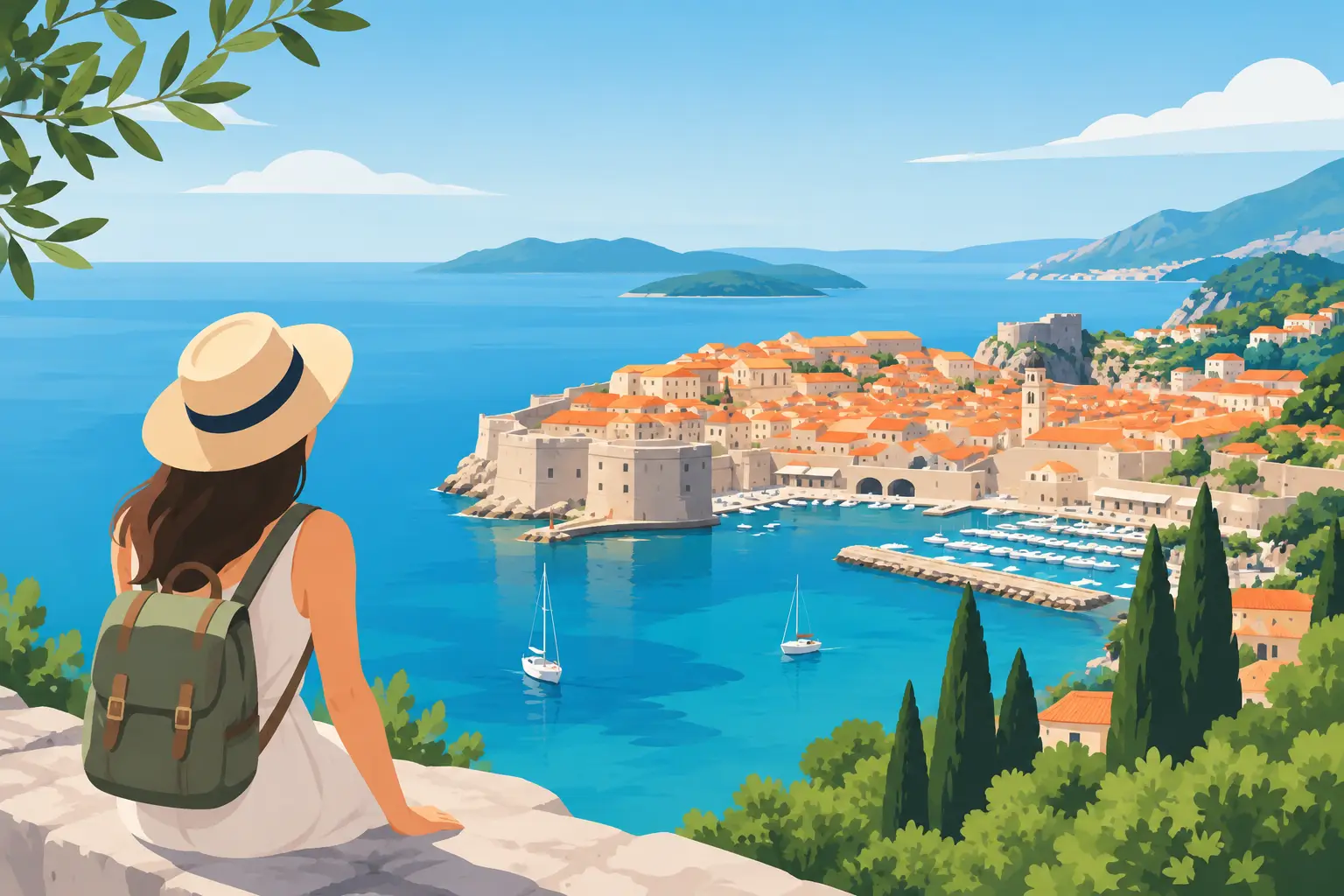
Arrive in Dubrovnik in time for an evening introduction to the city. The first view from above the old town walls remains one of the great Adriatic moments: terracotta roofs, polished limestone streets and the deep blue sweep of the sea. A hotel overlooking the old town or positioned on the nearby coastline offers contrasting pleasures, so the choice depends on whether guests value immediate access to the historic centre or quieter space and resort-style facilities.
Days 9 and 10: Dubrovnik with depth and discretion
A private early-morning walk of Dubrovnik’s walls is the ideal way to experience them before the city grows lively. Continue through the old town with a specialist guide, exploring the Rector’s Palace, Franciscan traditions and the stories of the Republic of Ragusa, once a remarkably influential maritime power. The value of a knowledgeable guide here is not simply skipping queues. It is the context that transforms magnificent stone into a living history.
In the afternoon, escape by private boat to Lokrum or the Elaphiti Islands. Alternatively, guests who prefer culture to cruising can visit nearby Cavtat, home to an elegant waterfront and a more relaxed coastal rhythm. A final dinner should celebrate the journey: expertly prepared local fish, oysters from the Pelješac peninsula and Croatian wines selected to suit the menu.
On day ten, a private transfer delivers guests to Dubrovnik Airport, with assistance arranged according to flight timing. For travellers continuing through the region, Dubrovnik also makes an excellent gateway to Montenegro or Bosnia and Herzegovina, creating a wider Balkan journey without compromising on comfort.
What makes this Croatia itinerary work
This route is deliberately selective. Croatia has more than a thousand islands, a long and varied coastline, and cities that reward extended stays, so no ten-day plan can include everything. Attempting Zagreb, Istria, Plitvice, Split, several islands and Dubrovnik in one short holiday usually produces too much packing and too little pleasure.
The strongest programmes balance headline destinations with the quality of the journey between them. Private drivers remove the strain of unfamiliar roads and parking. Carefully chosen hotels place guests close to the atmosphere they have travelled to experience. Local guides, skippers and restaurateurs add access that cannot be recreated through a map alone. Perfecta Travel can shape these elements around individual priorities, from family-friendly villa stays to yacht-focused celebrations and discreet incentive programmes.
For the most comfortable conditions, May, June, September and early October offer excellent weather with a gentler pace. July and August bring the fullest energy, warmest sea and most vibrant island scene, but also greater demand for premier hotels, private boats and sought-after restaurants. Advance planning is particularly valuable at this time.
Leave at least one afternoon unplanned. It may become a long lunch in a quiet harbour, an extra swim in a hidden cove or simply an hour on a terrace as the Adriatic light changes – often the moments guests remember most clearly.