×

Custom Tours Versus Packages for Better Holidays

A private boat drawing away from Hvar at sunset, a family lunch in a Konavle farmhouse, a guide opening the door to a quiet palace courtyard in Split – these moments rarely appear on a fixed timetable. The choice between custom tours versus packages shapes far more than accommodation and transport. It decides how much room a holiday has for spontaneity, comfort, local character and the particular interests of the people travelling.

For travel professionals and discerning travellers, the question is not whether one format is universally better. A well-designed package can be an excellent answer for the right brief. A tailor-made journey becomes more compelling when the itinerary needs to work around personal priorities, complex logistics or a desire to experience Croatia and the Balkans beyond the obvious highlights.

What a Package Holiday Does Well

A package offers clarity. It commonly combines flights, accommodation, transfers and a set programme at a defined price, which makes it especially appealing to travellers who want decisions made in advance. For a first visit to a single destination, a short city break or a group whose interests are broadly aligned, this structure can remove unnecessary planning.

There is also reassurance in a proven route. A seven-night coastal stay with included excursions gives clients a reliable introduction to Dubrovnik, the Dalmatian islands or Istria without asking them to compare every hotel, ferry schedule and restaurant. Suppliers are often contracted at scale, which can create attractive value where dates, room categories and services are fixed.

The compromise is that fixed components remain fixed. Departure dates, hotel location, excursion timings and the pace of the programme may not suit every traveller. A coach departure cannot wait because guests have lingered over an excellent glass of Plavac Mali, and a standard excursion is unlikely to be redesigned around a child’s fascination with Roman history or a couple’s wish to spend the afternoon sailing rather than sightseeing.

Custom Tours Versus Packages: The Meaningful Differences

A custom tour begins with a brief rather than a brochure. It considers who is travelling, what they value, how they like to move through a destination and what a genuinely memorable day looks like to them. That might mean a private driver-guide from Zagreb to Ljubljana with a stop at a family-run vineyard, or three slow nights on Korčula instead of changing hotels every day.

This is particularly valuable in South-East Europe, where spectacular experiences are often separated by borders, ferry timetables, mountain roads and seasonal variations. The journey from Croatia to Slovenia, Bosnia and Herzegovina, Montenegro, Serbia, North Macedonia or Albania can be wonderfully rewarding, but it benefits from local coordination. A considered itinerary makes the transitions feel part of the holiday rather than a logistical exercise.

Customisation does not simply mean adding expensive extras. It can mean spending where it matters and simplifying where it does not. One client may choose a heritage suite in Dubrovnik and a private yacht day in the Elaphiti Islands, while another prefers a stylish boutique hotel, exceptional food and time with a specialist guide. Both can enjoy a beautifully paced holiday when the programme reflects their priorities.

Flexibility has practical value

Private arrangements allow an itinerary to respond to real life. A late flight, a change in weather or an unexpected desire to stay longer in a place need not derail the entire programme. Although availability and cancellation terms still apply, a local team can often offer alternatives quickly and intelligently.

This matters on the Adriatic. Strong winds can affect sea crossings, summer heat can alter the ideal timing for walking tours, and popular sites reward an early start or a carefully chosen route. Flexible planning allows the day to follow the destination, rather than forcing the destination to follow a rigid schedule.

Access changes the experience

Packages tend to feature well-known landmarks because they are dependable and easy to operate for larger numbers. They have their place: Dubrovnik’s old city, Plitvice Lakes and Diocletian’s Palace deserve their reputation. Yet the most lasting memories often come from the detail around them.

A knowledgeable local designer can pair the recognised sights with a truffle-hunting experience in Istria, an oyster tasting in Ston, a private visit with an artisan on Brač or a national park walk selected for the season and fitness of the group. These choices require trusted local relationships, realistic timings and an understanding of what will feel authentic rather than staged.

When a Package Is the Better Choice

A package can be the sensible choice when the holiday is straightforward and certainty is the priority. It works well for travellers who are happy with a defined resort, do not need private touring and want to keep their budget tightly controlled. It may also suit large groups with little appetite for making individual choices, particularly where everyone is content to share the same schedule.

For travel advisers, a package can be efficient for a client who asks for a familiar, well-priced week in one place. There is no value in overcomplicating a brief that calls for simplicity. The best recommendation is the one that matches expectations, not the one with the most moving parts.

The key is to be clear about what is included and what is not. Local taxes, transfers, luggage arrangements, dining, entrance fees and the level of on-the-ground assistance can vary considerably. A lower headline price is only meaningful when clients understand the full holiday experience it delivers.

When a Custom Journey Earns Its Place

Tailor-made travel is most powerful when the trip carries personal significance. Honeymoons, milestone birthdays, multi-generational family holidays and journeys with friends often need more than a standard programme. Different ages, interests and energy levels can be accommodated without splitting the group’s experience apart.

It is also the stronger option for multi-country itineraries. A traveller may want Zagreb’s café culture, Slovenia’s wine country, Sarajevo’s layered history and Montenegro’s Bay of Kotor in one elegant journey. Achieving this smoothly requires the right border crossings, suitable overnight stops, experienced drivers and guides who can bring each destination to life.

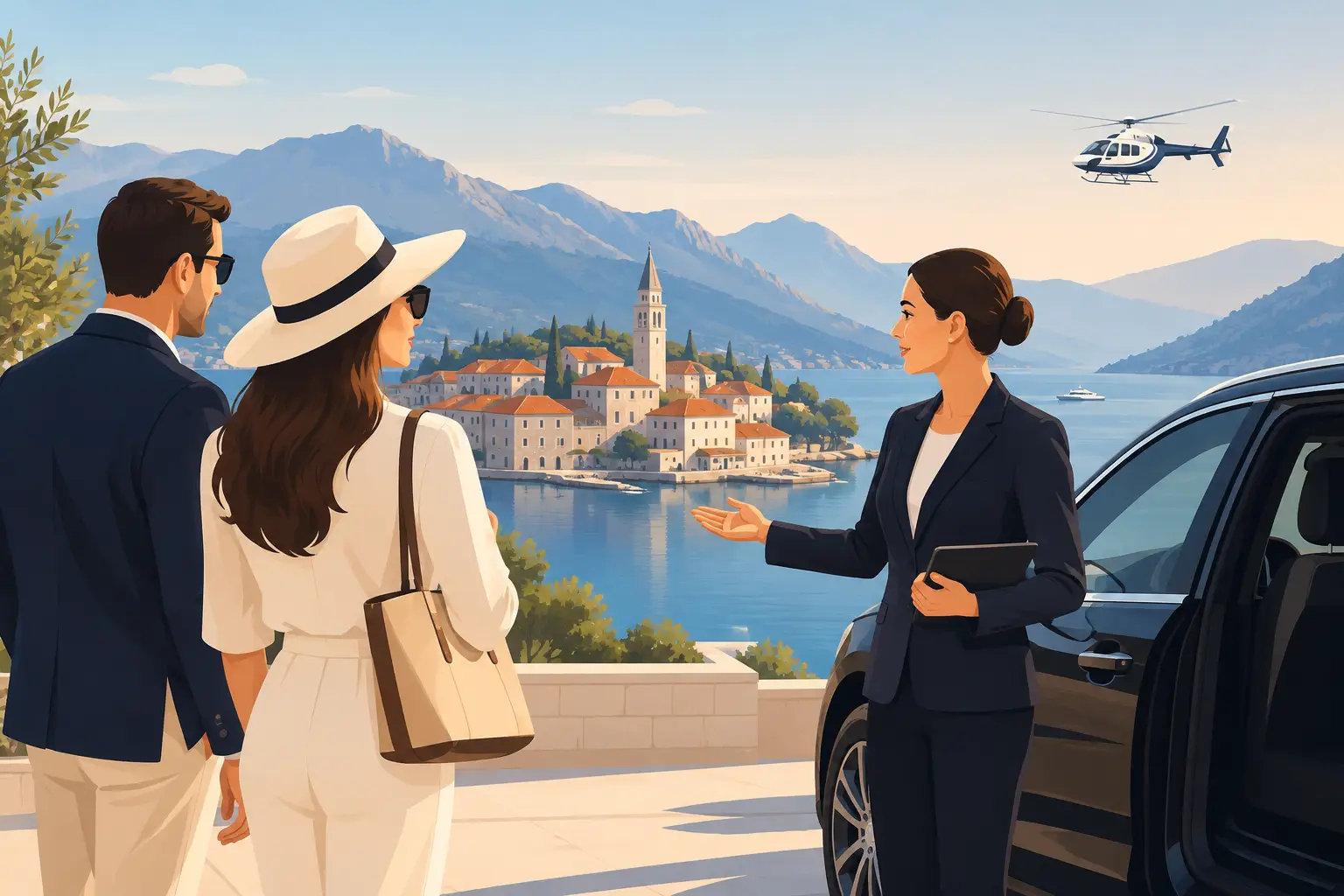
For high-value clients, privacy is often as important as luxury. A private transfer after a long-haul flight, a guide who understands the family’s pace, a table arranged in the right setting and 24-hour support offer a quieter form of comfort. These details are rarely glamorous on paper, but they create the confidence to relax fully.

The value question is not only about price

Custom tours usually cost more than an off-the-shelf package because private transport, individual guides, selected hotels and flexible arrangements carry a different operating cost. But price alone is an incomplete comparison. Consider time saved, access gained, unnecessary elements avoided and the confidence that someone capable is managing the journey on the ground.

For a couple who only has ten nights to explore the region, avoiding poor connections and generic excursions can be worth considerably more than the difference in headline cost. For a travel designer, a trusted local partner can also protect the client relationship when plans change or an urgent request arises.

Choosing the Right Level of Tailoring

The strongest itineraries are not always packed from morning to night. Begin with the non-negotiables: the occasions being celebrated, the places guests most want to see, their preferred accommodation style and how independently they wish to travel. Then leave space for the pleasures that cannot be scheduled precisely – an unhurried swim, a recommendation from a guide, a market discovered after breakfast.

A good destination management company will challenge a plan when necessary. Two islands in two days may look exciting but feel rushed. A five-hour road journey may be transformed by a scenic lunch stop and one meaningful visit. Honest advice is part of thoughtful service, especially in a region where local insight can make the difference between a busy itinerary and an unforgettable one.

Perfecta Travel brings that local perspective to private holidays, trade programmes and complex regional journeys, combining hand-picked experiences with multilingual support and careful operational management. The aim is not to make every trip look the same, but to make every detail feel considered.

Choose a package when its structure genuinely serves the traveller. Choose a custom journey when the holiday deserves to follow the people taking it – with enough freedom to let Croatia and the Balkans work their particular magic.
How to Plan a Slovenia Croatia Tour in Style

A well-designed plan Slovenia Croatia tour has an unusual advantage: it can move from glacial lakes and wine valleys to Venetian-style coastal towns, island yachts and UNESCO-listed cities without feeling like two separate holidays. The challenge is not finding remarkable places. It is allowing enough time for them, while making each border crossing, hotel change and private transfer feel effortless.

For travellers who value beautiful hotels, intelligent pacing and experiences with a genuine sense of place, this is a journey best treated as one carefully connected regional story. Slovenia brings Alpine drama, refined gastronomy and intimate scale. Croatia extends the experience southwards with a generous coastline, historic cities and exceptional opportunities on the water.

Plan Slovenia Croatia Tour Around a Natural Route

The most rewarding itineraries generally begin in Ljubljana and finish on Croatia’s Adriatic coast. This follows the landscape rather than fighting it: Slovenia’s compact capital is an elegant introduction, while a Croatian departure from Split or Dubrovnik creates a suitably spectacular finale.

A 10-night programme can offer a fine introduction, but 12 to 14 nights is the more comfortable choice for a premium holiday. It gives travellers time to enjoy Slovenia beyond Lake Bled, linger over Croatian food and wine, and include a few restorative nights beside the sea. Trying to cover Ljubljana, Bled, the Julian Alps, Istria, Plitvice Lakes, Split and Dubrovnik in a week can turn a beautiful journey into a procession of check-ins.

A strong 12-night route might spend two nights in Ljubljana, two by Lake Bled or Lake Bohinj, three in Croatian Istria, two near Plitvice or on the Kvarner Gulf, and three in Split or on a nearby island. Travellers with 14 nights can add Zagreb, the Soča Valley, Zadar or Dubrovnik, depending on their interests and flight plans.

There is no single perfect sequence. Couples drawn to food, wine and design-led stays may favour Slovenia, Istria and the Kvarner coast. Families often appreciate shorter drives, hands-on experiences and a private boat day from Split. For first-time visitors seeking landmark sights, a route through Ljubljana, Bled, Zagreb, Plitvice, Split and Dubrovnik delivers iconic moments with a satisfying progression.

Begin with Ljubljana and Slovenia’s Alpine heart

Ljubljana is one of Europe’s most pleasing city breaks, small enough to explore without pressure yet layered with architecture, riverside cafés and a quietly confident culinary scene. Two nights allow time for a privately guided walk through the old town, the Central Market and Ljubljana Castle, followed by a considered dinner in one of the capital’s excellent restaurants.

From here, the road to Bled is short, but the decision is whether to stay beside its famous lake or seek greater tranquillity at Lake Bohinj. Bled is ideal for classic views, a traditional pletna boat ride and easy access to local attractions. Bohinj feels wilder and more secluded, particularly suited to travellers who prefer hiking, cycling, paddleboarding or simply a slower Alpine rhythm.

For a more immersive Slovenian experience, include the Vipava Valley or Goriška Brda. These wine regions offer a refined alternative to a busy sightseeing day: family cellars, seasonal local cooking and rolling vineyard scenery close to the Italian border. They work especially well before continuing towards Croatia’s Istrian peninsula.

Let Istria provide the culinary bridge

Istria is where the transition between Slovenia and Croatia becomes particularly delicious. Its hilltop towns, olive groves, truffle-rich forests and coastal promenades reward an unhurried stay of at least three nights. Rovinj makes an atmospheric base for those who enjoy a waterfront setting and polished hotels, while the interior around Motovun and Grožnjan offers a quieter, more rural perspective.

Private touring here should be led by appetite and season. In autumn, truffle hunting and harvest menus bring real theatre to the table. Spring is ideal for cycling through green landscapes and visiting small producers. Summer calls for an early start in old towns, a leisurely lunch at an estate and an afternoon on the water before the heat peaks.

A thoughtfully arranged day might pair a private guide in Pula’s Roman amphitheatre with a tasting at an olive oil estate, or combine an artisan-led truffle experience with a chef’s table in the Istrian countryside. These details are what transform a route into a holiday with texture.

Choose Croatia’s Coast According to Your Travellers

Croatia’s coastline is extensive, and it pays to be selective. Each stretch has a distinct character, so adding too many overnight stops can dilute the experience.

The Kvarner Gulf, including Opatija and the islands of Krk, Cres and Lošinj, is a graceful choice after Istria. Opatija offers grand Habsburg-era architecture and a handsome seaside promenade, while the islands bring fragrant pine forests, clear water and an appealingly relaxed pace. It is an excellent option for multi-generational families or travellers who want coastal elegance without the intensity of the southern hotspots.

Plitvice Lakes National Park is visually unforgettable, with its wooden pathways, waterfalls and shifting shades of green and turquoise. It works best as one night between Zagreb or Istria and the Dalmatian coast. A private early-morning visit helps avoid the busiest periods and allows the landscape to feel as magical as it should.

Further south, Split is more than a gateway to the islands. Diocletian’s Palace remains a living historic centre, where Roman walls frame restaurants, galleries and lively squares. From Split, a private motor yacht or sailing boat can reveal the quieter coves of Brač, Hvar, Šolta or Vis. For travellers with limited time, a full-day charter gives the pleasure of island life without repeated packing. Those wanting a slower coastal finale should spend several nights on one island instead.

Dubrovnik is worth including when there is time to do it properly. Its walls, limestone streets and views across the Adriatic are extraordinary, but it can be busy in high summer. A premium programme might arrange a private guide at opening time, a sunset cruise away from the crowds, and a stay just outside the old town where guests can retreat to calm after exploring.

Build the Holiday Around the Right Season

May, June, September and early October are often the best months for a Slovenia-Croatia journey. Days are warm, landscapes are at their most inviting and the major sights are generally less crowded than in peak summer. September is particularly appealing for gastronomy, with wine harvests, truffle season beginning in Istria and sea temperatures that remain inviting along the coast.

July and August suit travellers who place boating, swimming and long Mediterranean evenings above all else. The trade-off is higher demand for the finest hotels, yachts and guides, as well as fuller historic centres. Planning early is essential, particularly for villas, island accommodation and private vessels.

Winter has a different appeal. Ljubljana’s festive season, Alpine skiing and Zagreb’s celebrated Advent atmosphere can make a lovely city-and-mountains escape, though it is not the season for an Adriatic island itinerary. A bespoke programme should respond to the purpose of the holiday rather than force every destination into every month.

Make Cross-Border Logistics Part of the Luxury

Slovenia and Croatia both use the euro, which simplifies everyday spending. Croatia’s entry to the Schengen Area has also made road travel more straightforward, although travellers should always carry valid passports and ensure that vehicle arrangements meet cross-border requirements.

For an independent self-drive holiday, check carefully that the hire company permits travel between both countries and that insurance documentation is in order. This is manageable, but it adds responsibility. For a luxury itinerary, a private driver-guide or point-to-point chauffeur service changes the entire experience: luggage is handled, scenic stops become possible, and guests arrive ready to enjoy their next hotel rather than recover from the motorway.

Rail connections can be useful between major cities, particularly Ljubljana and Zagreb, but a rail-first journey is less practical once lakes, wine regions, national parks and coastal villages enter the picture. Private transport offers far greater freedom for a multi-country route, especially when travelling with family or staying in countryside properties.

Accommodation should also be planned as part of the itinerary, not chosen in isolation. A lakeside retreat, heritage villa, boutique wine estate and five-star coastal resort each create a different rhythm. The finest programmes balance a few exceptional bases with enough time in each to enjoy breakfast slowly, use the spa, or take an unplanned walk before dinner.

Add Experiences That Belong to the Place

The most memorable Slovenia and Croatia tours are rarely defined by a checklist of monuments. They are defined by access and timing: a local guide who knows when a square is quiet, a vineyard host who opens a bottle not found on restaurant lists, a skipper who knows which cove will be sheltered that afternoon.

Consider private culinary experiences in Ljubljana and Istria, a foraging walk in Slovenia’s forests, a guided visit to a family olive farm, a Croatian cooking lesson, or a yacht day shaped around swimming, lunch and the pace of the group. Culture can be equally personal, from a behind-the-scenes look at Zagreb’s artistic heritage to an evening stroll through Split with a historian who brings the Roman palace to life.

For travel designers and discerning guests alike, local operational knowledge is what protects the pleasure of the journey. Perfecta Travel combines hand-picked accommodation, multilingual guides, private transport and 24-hour support to shape programmes that feel effortless while remaining richly individual.

Leave room for the moments that cannot be scheduled: coffee beside the Ljubljanica, a spontaneous swim from a quiet Croatian cove, or an extra glass of Malvazija as the Istrian hills turn gold. That breathing space is often where the real magic of the region is found.

Choosing a Croatia DMC for Exceptional Travel

A spectacular Adriatic itinerary can look straightforward on paper: Dubrovnik, Hvar, Split, perhaps Plitvice Lakes and Istria. Yet choosing a Croatia DMC is rarely about filling those headline destinations into a day-by-day plan. The real difference lies in how the journey feels between them – the private skipper who reads the wind, the guide who knows when the Old Town is quietest, the hotel relationship that resolves a last-minute room request, and the team that answers the phone when weather changes the plan.

For travel designers, tour operators and event planners, the right local partner makes Croatia feel effortless for the guest while keeping every operational detail visible and controlled behind the scenes. For a luxury holidaymaker, it means more time for discovery and less time managing ferries, transfers, reservations and local variations.

What to look for when choosing a Croatia DMC

A DMC should offer more than an attractive list of hotels and excursions. It should understand the rhythm of the country, from the island sailing season and festival dates to road timings, border formalities and the practical realities of travelling with luggage, children, mobility needs or a multi-generational party.

Croatia is wonderfully varied, but that variety requires careful planning. A route that works beautifully for a couple seeking a slow island escape may be unsuitable for a group with fixed dining times, or for guests connecting from a long-haul flight. The strongest DMCs do not simply confirm what has been requested. They question the pacing, anticipate pressure points and propose alternatives that protect the quality of the experience.

Local knowledge should change the itinerary

Ask how the company builds its programmes. A well-connected DMC can arrange the essential landmarks, but its value is most apparent in the moments a generic itinerary cannot provide: a table at a family-run konoba away from the busiest waterfront, an olive oil tasting with the producer, a private guide whose interests suit the guests, or a vineyard visit timed around harvest activity.

This is not about avoiding well-known places. Dubrovnik’s walls, Diocletian’s Palace and the Dalmatian islands deserve their reputation. It is about experiencing them with intelligent timing and a sense of place. A good local operator knows, for example, when a private boat is preferable to a scheduled service, when driving is more comfortable than flying, and when an extra night is worth more than another hotel change.

For regional journeys, depth matters even more. Slovenia, Bosnia and Herzegovina, Montenegro, Serbia, North Macedonia and Albania each have their own supplier networks, road conditions, guide licensing practices and border requirements. If a programme crosses borders, choose a partner with proven operational reach rather than one relying entirely on disconnected local handovers.

Assess service capacity, not just creativity

Inspiration earns attention; operational discipline earns trust. Before appointing a Croatia DMC, establish who will manage the programme from proposal to departure, and who takes responsibility once guests are travelling. A beautiful itinerary is only the beginning.

Look for clear evidence of a capable in-destination team, multilingual consultants, established supplier relationships and round-the-clock emergency assistance. Ask whether the same contact oversees the journey throughout, how out-of-hours incidents are handled, and what authority the duty team has to make decisions. A delayed flight, a closed road or a sudden change in sea conditions should prompt a confident response, not a chain of unanswered messages.

For travel trade partners, transparent communication is equally valuable. You need accurate availability, realistic lead times, properly costed proposals and early notice of anything that could affect the guest experience. For MICE planners, the standard is higher still: transport movements, rooming lists, meeting requirements, gala venues and contingency planning must work together precisely.

A useful due-diligence conversation should cover four areas:

  • financial and liability protection, including appropriate insurance and supplier checks;
  • quality control for guides, drivers, vessels, accommodation and specialist experiences;
  • emergency procedures for medical issues, weather disruption and transport changes;
  • reporting and communication processes for agencies, tour operators and event teams.

The answers should be specific. “We have excellent contacts” is welcome, but it is not a substitute for established procedures and accountable people.

Judge the quality of the supplier network

Luxury is not defined only by five-star keys or a yacht charter. It is defined by fit. A historic palace hotel may be perfect for a celebration in Split, while a discreet design-led property can better suit guests who want privacy. A full-day yacht charter may be memorable for a family group, but a half-day trip with a relaxed lunch ashore could be the wiser choice for clients who prefer a slower pace.

The right DMC will be candid about these distinctions. It should recommend suppliers based on guests’ priorities rather than a fixed set of preferred products. At the same time, long-standing relationships with hotels, captains, restaurateurs and guides matter because they bring reliability, problem-solving power and access during busy periods.

Ask for examples of how the team personalises a journey. Not every request needs to be extravagant. Sometimes the most meaningful details are a guide selected for a guest’s interest in Roman history, a private transfer stocked with local treats for children, or a restaurant chosen for its accessible setting and genuine regional cooking.

Make sure the pace respects Croatia’s geography

The Croatian coast looks compact on a map, but island connections and summer traffic can alter a day considerably. The most attractive itinerary is not always the one with the most stops. Guests should have time to swim, linger over lunch, explore independently and absorb the character of each destination.

This is particularly relevant from June to September, when popular ports, roads and restaurants operate at their busiest. A knowledgeable DMC can use private transfers, flexible departure times and carefully selected hotels to reduce friction. However, premium transport is not always the answer. Sometimes an early start, a different island base or a quieter shoulder-season date will improve the holiday more than adding another service.

Consider the purpose of the trip. Honeymooners may value privacy and spontaneity. A family may need easy logistics, connecting rooms and activities that work across ages. A corporate group may require exact timings, branded moments and a venue that can accommodate a formal dinner after a day on the water. The programme should be designed around the traveller, not around an off-the-shelf route.

Look for thoughtful sustainability, not vague promises

Croatia’s natural beauty is central to its appeal, from island coves and national parks to historic towns shaped by centuries of trade and culture. Responsible travel should therefore be practical, not decorative language in a proposal.

Ask how the DMC supports local communities and manages environmental impact. This may include working with independent producers, choosing locally owned experiences, reducing unnecessary transfers, respecting protected areas and recommending travel dates that ease pressure on the most visited locations. Sustainability also includes treating local guides, drivers and hospitality teams as valued professional partners.

There are occasions when the most responsible choice is to advise against an idea. A fragile site may not suit a large group, a speedboat route may be uncomfortable in certain conditions, or an overcrowded summer day may not deliver the quality a client expects. Honest counsel protects both the destination and the guest experience.

Questions worth asking before you appoint a DMC

Ask who will be available to your guests at 10pm on a Saturday, not merely who prepared the quotation. Ask how the team deals with a missed connection, whether guides and drivers are selected for each brief, and how the company checks suppliers over time. For regional programmes, ask whether one team controls the full itinerary or whether responsibility passes between separate operators.

It is also sensible to ask for examples relevant to your brief: a complex family holiday, a luxury incentive, a yacht-based itinerary, or a multi-country journey with several moving parts. The goal is not to demand confidential client details. It is to understand the operator’s judgement, resourcefulness and standards.

Perfecta Travel combines Croatia-based knowledge with a multilingual team and regional capability across South-East Europe, allowing travel professionals and private clients to shape distinctive programmes without losing sight of service, safety and support.

The finest Croatia holidays leave guests talking about sunset over the Adriatic, a meal they will remember for years, and the unexpected warmth of a local welcome. Choose a DMC with the experience to make those moments possible – and the discipline to protect them when plans change.

Croatia Destination Weddings, Beautifully Planned

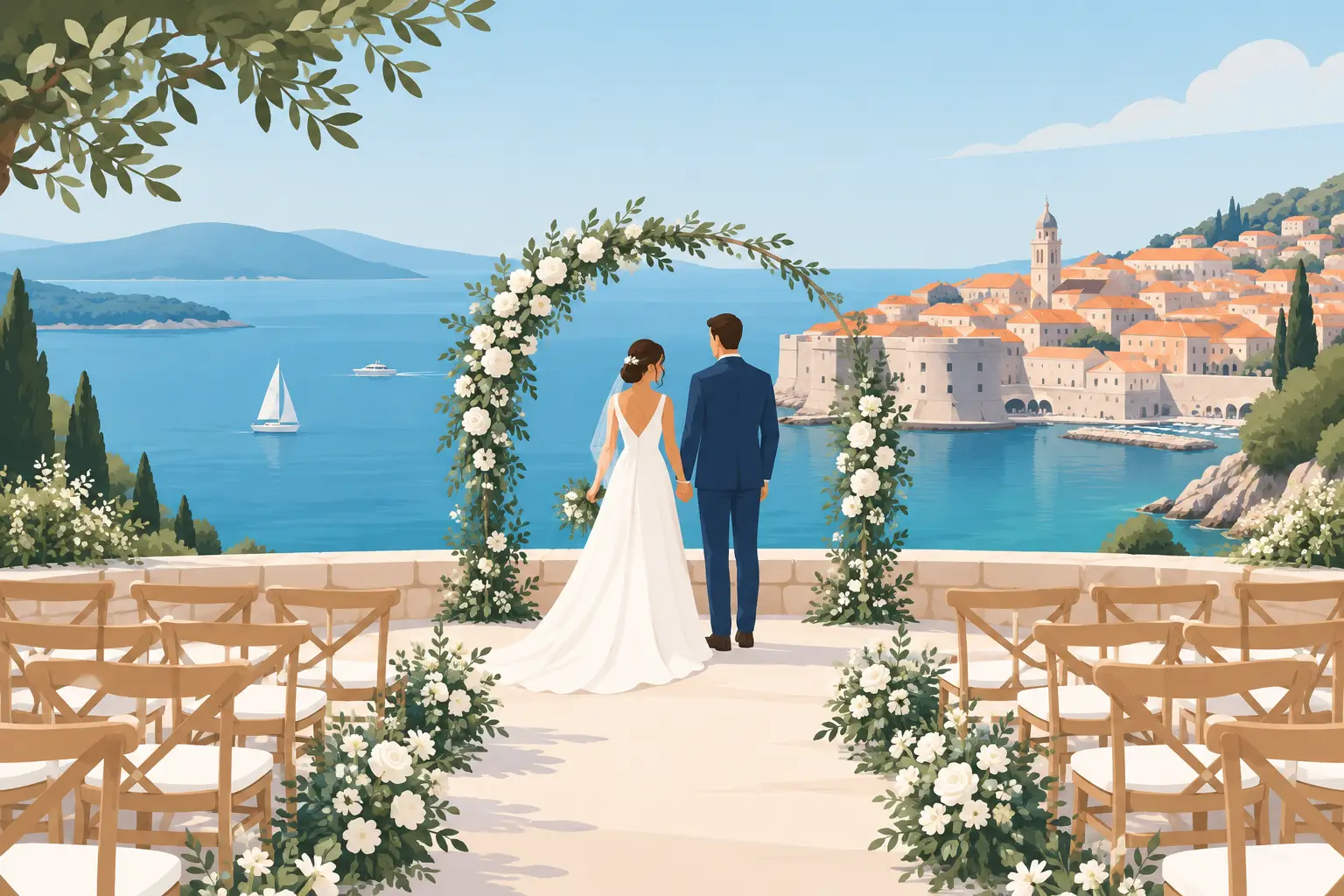
A ceremony on a stone terrace as the Adriatic catches the last of the afternoon light. A private boat carrying guests to dinner on an island. A table set beneath citrus trees, with Dalmatian wines poured as a local klapa group begins to sing. Croatia destination weddings can feel wonderfully cinematic, but their real appeal lies in the way a celebration can become a shared journey through one of Europe’s most captivating regions.

For couples and travel designers alike, Croatia offers far more than a beautiful backdrop. Its compact coastline, historic cities, islands, vineyards and exceptional food make it possible to create several distinct moments around one wedding weekend, while private transport and expert local planning keep the experience relaxed for every guest.

Why Croatia destination weddings feel so personal

Croatia has the rare ability to suit very different wedding visions without losing its sense of place. Dubrovnik brings grand walls, baroque courtyards and dramatic sea views. Split offers Roman heritage, lively waterfront energy and easy access to the islands. Hvar is made for glamorous evenings, stylish beach clubs and yacht arrivals, while Istria appeals to couples drawn to hilltop villages, olive groves and a slower, gastronomic rhythm.

Then there are places that reward a more individual approach: Vis for understated island romance, Korčula for medieval charm and excellent wine, Šibenik for a less expected Adriatic setting, or the Plitvice region for a celebration shaped by forests and lakes rather than the coast. The right destination is not simply the most photographed one. It is the place that reflects the couple, the size of the party and the kind of time guests want to share.

That flexibility matters. A couple planning an intimate celebration for 20 may prefer a private villa and chef-led dinner. A larger gathering may need a hotel with event infrastructure, multiple dining spaces and dependable room inventory. A three-day celebration involving guests from several countries calls for a different operational plan again, particularly where ferries, flights and luggage need careful co-ordination.

The wedding is only part of the experience

The strongest Croatian wedding programmes give guests a reason to arrive early and stay longer. A welcome evening in Dubrovnik can move from a private guided walk through the old city to an elegant dinner overlooking the harbour. Around Split, guests might sail to Brač or Šolta, visit family-run wineries or spend an afternoon swimming from a private boat. In Istria, truffle hunting, olive-oil tastings and cycling through vineyard country create an entirely different atmosphere.

These experiences also solve a common destination-wedding challenge: bringing together guests who may never have met. A shared cooking class, a sunset cruise or a market visit gives people an easy way to connect before the ceremony. For multigenerational groups, thoughtful pacing is essential. Some guests may want a full-day yacht charter, while others will value a gentle city tour, a spa afternoon or simply time by the pool.

A well-designed itinerary should offer choice without making the weekend feel over-programmed. The luxury is in knowing that every detail has been considered, while guests remain free to enjoy the moment at their own pace.

Choosing the right season and setting

May, June, September and early October are often ideal for weddings in Croatia. The weather is generally warm, the sea is inviting and destinations feel more comfortable than at the height of summer. These months can also offer better availability at sought-after properties and greater flexibility from specialist suppliers.

July and August deliver long, hot days and a brilliant social energy, especially on the islands. They are also Croatia’s busiest months. Higher accommodation costs, fuller restaurants and traffic around coastal hubs are realistic considerations, as is the heat for outdoor ceremonies. Couples set on a midsummer date should reserve key venues and rooms well in advance, and plan shade, water and a later ceremony time.

Location affects more than atmosphere. Island venues can be magical, but ferry timetables, weather conditions and arrival patterns need to be factored in from the first conversation. A private boat transfer can elevate the experience, yet it should be supported by a clear land-based alternative. Similarly, a heritage venue may have sound restrictions or limited vehicle access. These are not reasons to avoid remarkable places; they are reasons to plan them with precision.

Coast, islands or inland Croatia?

The Dalmatian coast is a natural choice for couples seeking sea views, historic architecture and a Mediterranean mood. It works particularly well for guests combining the wedding with a longer holiday through Split, Dubrovnik or Montenegro.

The islands offer privacy and a sense of occasion. Hvar has a polished, high-energy character, while Vis and Korčula feel more intimate and discreet. Island celebrations are especially rewarding when the group has at least three nights together, allowing enough time for arrivals and a day at leisure.

Inland Croatia and Istria offer a compelling alternative for couples who value food, wine and countryside elegance over beach glamour. These regions can be ideal in spring and autumn, with a softer palette, generous local produce and a more relaxed pace.

What makes the planning complex – and manageable

A destination wedding brings several suppliers into one highly personal occasion: venue teams, caterers, florists, musicians, photographers, transport providers, accommodation partners and, in some cases, yacht crews. The most successful celebrations have one clear operational lead who can connect those moving parts, anticipate pressure points and make decisions quickly on the ground.

For travel professionals, this is where a Croatia-based DMC provides real value. Local relationships can shape access to the most suitable venue options and trusted suppliers, rather than relying on generic packages. They also help balance aspiration with practical realities, from transfer times and dietary requirements to guest mobility, weather contingencies and local event regulations.

Perfecta Travel brings that local knowledge together with multilingual co-ordination, hand-picked experiences and 24-hour assistance, allowing planners to deliver a celebration that feels effortless to the couple and their guests. The objective is never to overcomplicate a wedding with unnecessary extras. It is to protect the magic by ensuring the operational foundations are sound.

Details worth deciding early

The venue should be chosen alongside guest accommodation, not separately. A spectacular ceremony location loses some of its appeal if guests face difficult late-night journeys or cannot secure suitable rooms nearby. It is also wise to establish the guest profile early: the number of children, older relatives, mobility needs, dietary requirements and likely arrival airports all influence the best destination.

Legal ceremonies require particular care. Documentation, residency requirements and translation rules can vary according to nationality and local authority. Many international couples choose a legal ceremony at home followed by a symbolic ceremony in Croatia, giving them more freedom over venue, timing and format. Either route can be beautiful, but clarity from the outset prevents last-minute stress.

Finally, build in a weather plan that feels like a genuine second choice, not a compromise. A covered terrace, stylish indoor room or elegant sailcloth structure means rain never has to alter the mood of the day. Along the coast, wind is as relevant as rain, particularly for boat plans and cliffside dining.

Extend the celebration beyond Croatia

Croatia’s position makes it especially attractive for a wedding followed by a wider Balkan journey. Guests can continue to Slovenia for lakes and alpine scenery, travel south to Montenegro’s Bay of Kotor, or combine Dubrovnik with Mostar in Bosnia and Herzegovina. For couples, this creates the possibility of a honeymoon that shifts naturally from island sailing to mountain landscapes, vineyard dinners and historic cities.

This regional dimension is best handled as a curated continuation rather than an ambitious checklist. A few well-paced days with private drivers, excellent hotels and time to absorb each place will always feel more luxurious than trying to cover too much ground.

The most memorable weddings in Croatia do not attempt to compete with the landscape. They let the landscape set the rhythm: an unhurried arrival, a table full of local flavour, a ceremony with the sea in view and enough thoughtful planning that everyone can be fully present.

DMC Emergency Support for Luxury Balkan Travel

A missed ferry from Hvar, a delayed flight into Dubrovnik, sudden rain before an outdoor gala dinner, or a guest requiring medical help can change the rhythm of a carefully planned holiday in minutes. DMC emergency support is what turns those difficult moments from a source of anxiety into a managed situation, with a knowledgeable local team ready to act.

For travel professionals arranging high-value, multi-element journeys, this is not an optional extra. It is a defining part of the guest experience. A beautiful itinerary deserves equally thoughtful care when conditions are not beautiful: when a transfer is late, a border crossing takes longer than expected, or an unexpected change affects the next hotel, guide, restaurant or private boat.

Why DMC emergency support matters in South-East Europe

Croatia and the wider Balkans reward curious travellers with extraordinary variety. A single itinerary can move from Dubrovnik’s limestone streets to a private yacht in the Adriatic, onwards to Montenegro’s Bay of Kotor, Sarajevo’s layered history and Slovenia’s alpine landscapes. That richness also means multiple suppliers, transport connections, local regulations and languages may be involved.

Even the most carefully designed programme cannot remove every variable. Summer weather can affect sea crossings. High-season traffic can alter driving times along the coast. Airline changes can interrupt a perfectly timed arrival. In more remote national park or island settings, a quick adjustment often depends on knowing precisely whom to call and what alternatives are genuinely available.

The value of a destination management company is not simply that it can make reservations. It is that it understands the destination behind the reservations. When plans change, local knowledge makes the difference between a generic response and a practical solution that still feels appropriate to the traveller’s expectations.

For an agency, tour operator or concierge, dependable support also protects the relationship with the client. The traveller should feel cared for, while the booking partner remains informed and confident that the situation is being handled professionally on the ground.

What effective emergency assistance looks like

Round-the-clock availability is meaningful only when it is supported by experience, authority and a trusted supplier network. A contact number alone cannot arrange a late-night vehicle, find a suitable room when a flight diverts, speak to a marina, or rework a dining plan for a group of 40. Effective assistance combines immediate communication with the operational ability to make things happen.

Fast assessment, calm communication

The first priority is to understand what has happened and who is affected. Is the issue time-critical? Does it involve health or safety? Are guests stranded, or simply arriving later than planned? Clear questions at the outset prevent unnecessary disruption and help the team set realistic expectations.

Communication should be prompt, measured and specific. Rather than offering vague reassurance, a capable local team can explain the current position, the available options and the next confirmed action. Where travel partners are involved, they should receive concise updates without being asked to chase for information during an already pressured moment.

Solutions that protect the holiday

Not every disruption requires a complete redesign. If a delayed flight means guests miss a scheduled transfer, the right response may be a revised private collection and a later restaurant reservation. If bad weather prevents a planned island excursion, a private inland experience, a wine tasting or a guided historic tour may preserve the spirit of the day.

There are occasions, however, when the original plan cannot be saved. A cancelled ferry, an inaccessible road or a medical concern can require a more substantial change. This is where established destination relationships matter. Access to alternative vehicles, accommodations, guides and venues can reduce delay and keep standards high, even at short notice.

The solution should always suit the guests, not merely fill a gap. A family with young children, a honeymoon couple and a corporate incentive group will have very different priorities when plans are disrupted. The best response considers comfort, privacy, budget, timings and the emotional tone of the journey.

Local coordination across borders

Multi-country travel demands particularly close attention. A change in Montenegro may affect a guide in Bosnia and Herzegovina, a hotel check-in in Croatia or a transfer scheduled for the following morning in Serbia. A DMC with regional reach can coordinate those moving parts rather than leaving guests or booking partners to contact several individual suppliers.

Border procedures, driving regulations, ferry schedules and service standards can vary from one destination to another. This does not make regional travel difficult when it is correctly managed, but it does make experienced oversight valuable. The aim is to retain the pleasure of discovery while keeping the practicalities firmly under control.

Emergencies are not only medical

Medical situations rightly demand immediate attention, whether that means helping guests access appropriate local care, arranging transport, assisting with communication or supporting accompanying family members. Yet many of the most common calls are operational rather than clinical.

Lost luggage, flight disruption, passport concerns, a misplaced item in a vehicle, an unavailable room category or a sudden change in group numbers can all require quick local action. For MICE planners, a technical issue at a venue or an altered arrival pattern can affect the entire programme. For luxury leisure travellers, a missed private yacht departure or an allergy-related dining concern may be the issue that defines their perception of service.

These situations should be handled with discretion. Guests do not need to see the complexity behind the scenes. They need to know that someone capable is available, understands the plan and is focused on their wellbeing.

The preparation behind a confident response

Excellent support begins long before the phone rings. It starts with detailed itineraries, accurate passenger information, clearly agreed service timings and suppliers who understand the required level of delivery. It also requires sensible contingency planning for elements that are more exposed to change, such as flights, ferry journeys, outdoor events and long-distance transfers.

For travel trade partners, sharing relevant information early is essential. Arrival details, special requirements, mobility needs, dietary considerations, emergency contacts and the preferred communication route all help a local team respond appropriately. The goal is not to burden travellers with unnecessary caution. It is to ensure that, should something happen, no time is lost locating vital details or clarifying responsibilities.

A good DMC will also be candid about trade-offs. Last-minute alternatives in peak season may be more limited, particularly on sought-after islands or during major events. A replacement may involve a different property, a revised route or an additional cost. Honest advice allows the booking partner and traveller to make a considered decision rather than being presented with false certainty.

A premium service is tested when plans change

Luxury is often associated with exceptional hotels, fine dining, private guides and memorable views. Those details matter. But genuine luxury also means freedom from unnecessary worry. It is the assurance that, if an unforeseen issue arises, guests are not left alone to negotiate unfamiliar systems in an unfamiliar language.

For agencies and travel designers, working with a locally established operator adds a crucial layer of confidence. A team with multilingual consultants, long-standing supplier relationships and on-the-ground knowledge can respond with context, tact and pace. Perfecta Travel brings that level of care to tailor-made journeys and event programmes across Croatia and the wider Balkans, with 24-hour assistance built into its service culture.

The strongest emergency response is often the one guests barely notice. A car arrives at the revised time, a table is held, a new experience appears in place of a cancelled one, and the holiday continues with its sense of ease intact.

When selecting a destination partner, ask not only how beautifully they can design a journey, but how confidently they can care for it after departure. That answer may matter most on the one day the itinerary does not go exactly to plan.

Croatia Versus Montenegro Holidays: Which Fits?

A private boat slips from a quiet Dalmatian cove into open Adriatic blue; a few hours south, limestone mountains rise almost straight from the water in the Bay of Kotor. Croatia versus Montenegro holidays are not a question of better or worse. They offer two remarkably different expressions of the same dazzling coastline, and the right choice depends on the rhythm, scale and depth of experience your travellers want.

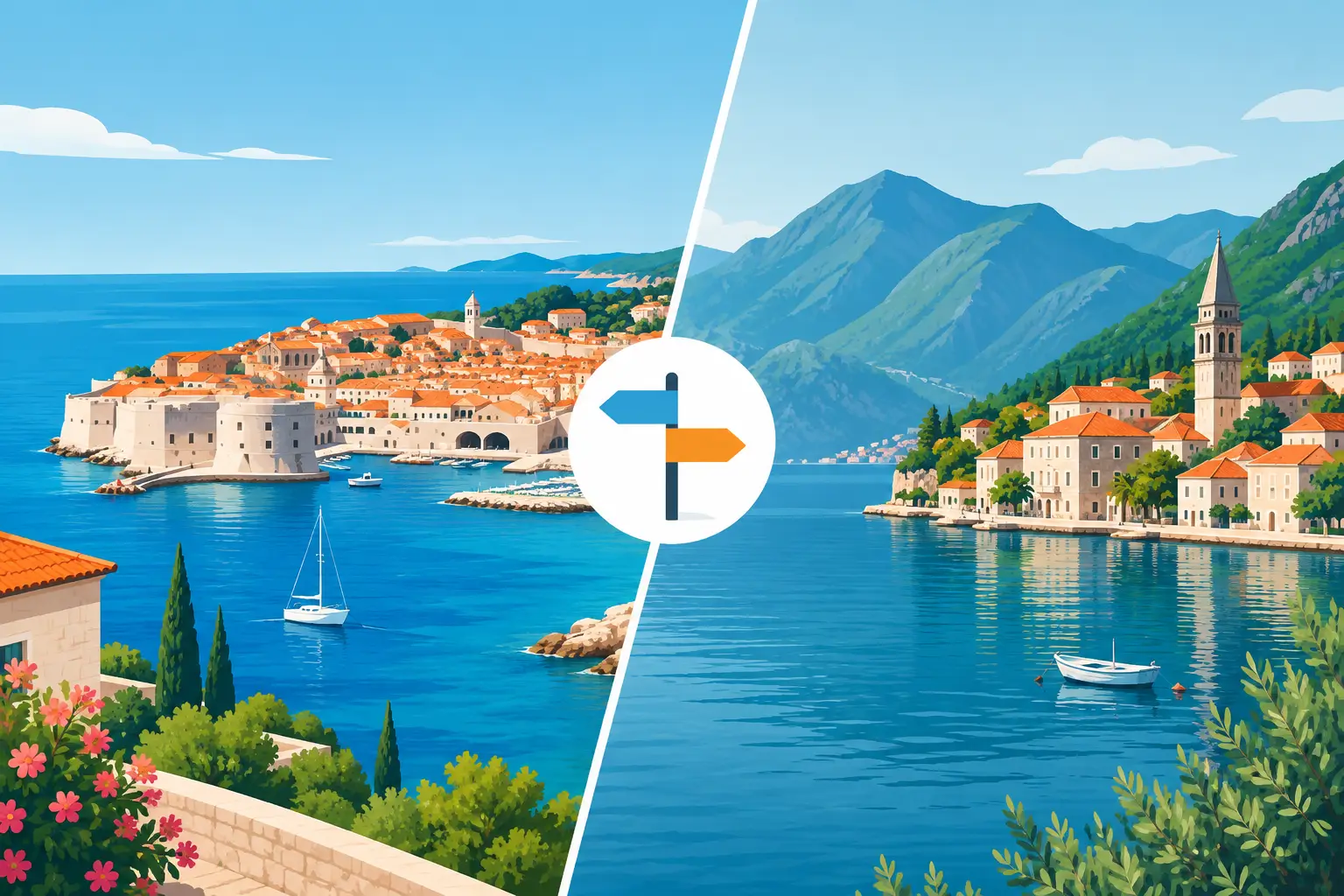
Croatia brings islands, elegant historic cities and an exceptionally broad choice of premium accommodation and private experiences. Montenegro feels more compact, more dramatic and, in places, wonderfully undiscovered. For a week of polished island-hopping, Croatia is often the natural fit. For cinematic scenery, mountain adventure and a short, high-impact escape, Montenegro can be unforgettable. The finest programmes often combine both.

Croatia versus Montenegro holidays: the essential difference

Croatia has the longer coastline, a far larger collection of islands and greater variety between regions. A journey can move from Roman Split to the lavender-scented lanes of Hvar, the walled streets of Korčula, the wild beauty of Mljet and the incomparable city of Dubrovnik, all with a different pace and character. Inland, Istria, Plitvice Lakes, Zagreb and the wine-growing landscapes of Slavonia add further possibilities for travellers who want more than the coast.

Montenegro offers concentration rather than range. Its Adriatic shoreline is short, but the contrast is striking: Venetian-influenced Kotor and Perast sit beside a bay enclosed by steep mountains, while the Riviera around Budva and Sveti Stefan brings beaches and sophisticated summer energy. Within a relatively short drive, the scenery changes again to Lake Skadar, the old royal capital of Cetinje, Durmitor National Park and the Tara Canyon.

This makes Croatia particularly strong for longer, multi-stop holidays and Montenegro ideal when a journey needs maximum visual impact with less time spent changing hotels. A two-centre Montenegro stay can combine the Bay of Kotor with the coast or mountains. Croatia rewards a more leisurely itinerary, with each island or region given room to reveal its own personality.

Choose Croatia for islands, choice and cultural variety

Croatia is a compelling choice for travellers seeking a refined Adriatic journey with plenty of options. Its hotel landscape is more mature, especially in Dubrovnik, Split, Hvar, Rovinj and on selected islands, where historic properties, contemporary waterfront hotels and private villas can be matched carefully to each party. There is also greater choice in restaurants, private guides, yacht charters and specialist experiences.

The islands are Croatia’s great advantage. Hvar can be glamorous and sociable, yet its inland villages and family-run wineries offer a quieter counterpoint. Vis appeals to those drawn to remoteness, clear water and low-key charm. Korčula pairs medieval architecture with excellent local food and wine, while the Kornati archipelago offers extraordinary sailing among bare, sculptural islands. Rather than treating island-hopping as a checklist, a well-designed programme allows guests to settle into two or three bases and enjoy the pleasure of unhurried days on the water.

Croatia also has exceptional depth for culturally curious travellers. Dubrovnik is rightly celebrated, but its appeal changes entirely when experienced with an expert guide before the day visitors arrive, followed by an oyster tasting in Ston or a private boat to the Elaphiti Islands. Split’s living Roman palace is best understood through its hidden courtyards, market stalls and local stories. In Istria, hilltop towns, truffle hunting, olive oils and small wineries create a distinctly different holiday from the southern coast.

The trade-off is popularity. July and August can be busy in Dubrovnik, Split, Hvar and the most recognisable national parks. Premium planning matters: private transfers timed around peak traffic, considered hotel locations, early or late access to key sights, and lesser-known islands can protect the feeling of ease. May, June, September and early October are especially rewarding for many luxury travellers, with warm seas, excellent dining and a more relaxed atmosphere.

Choose Montenegro for drama, intimacy and mountain-to-sea contrast

Montenegro has a rare, almost theatrical quality. The drive around the Bay of Kotor reveals stone villages, tiny islands with church domes and mountain slopes folding into still water. Perast, with its graceful palazzi and slow waterfront rhythm, offers a beautiful base for travellers who value atmosphere over nightlife. Kotor itself rewards early-morning exploration, when its medieval lanes are at their most evocative.

For guests who want activity alongside indulgence, Montenegro is particularly persuasive. A private journey might begin with a boat across the bay, continue over the Serpentine Road for sweeping views, then head inland for rafting, hiking, wildlife encounters on Lake Skadar or a scenic picnic in Durmitor. The distances are modest on a map, but the roads can be winding and travel times should be planned realistically. This is a destination where an experienced driver-guide is not merely a convenience but a meaningful part of a relaxed, safe experience.

Montenegro’s luxury hotel and villa offering has grown significantly, especially around Porto Montenegro, Lustica Bay and the Bay of Kotor. It can deliver a sophisticated marina stay, discreet villas and excellent private boating. However, the choice is narrower than in Croatia, particularly for larger groups requiring several equivalent high-end rooms, or for travellers seeking extensive fine-dining variety across multiple nights. The right accommodation should be secured early in the summer season.

Montenegro can also feel more immediate and less polished beyond its principal resorts. For many travellers, that is precisely its attraction: a lunch in a family konoba, a village road leading to an unexpected viewpoint, or a local winemaker explaining indigenous Vranac grapes. It suits guests who welcome a little texture and spontaneity alongside five-star comfort.

Beaches, boats and the pace of the day

Neither country is simply a conventional beach destination. Much of the coast is pebbled or rocky, and the most memorable swimming is often reached by boat or found below a small village rather than on a vast sweep of sand. Families who specifically need broad sandy beaches should choose their location carefully, particularly in Croatia, where the coastline is famed more for crystal-clear water and coves than sand.

For boating, Croatia has an unmistakable advantage in scale. Its islands create sheltered routes for private yachts, motorboats and sailing charters, allowing a day to unfold around swimming stops, a waterfront lunch and an arrival at a new harbour by sunset. Montenegro’s bay cruising is calmer and more scenic in a different way, with mountain views always close at hand. Its open coast offers lovely day trips too, although the geography does not support the same multi-island journey.

The desired pace should guide the recommendation. Croatia is made for guests who want a series of destinations and the anticipation of moving onwards. Montenegro suits those who would rather settle into a beautiful base and take considered day excursions. Both can be wonderfully private outside peak periods, but a boat with a knowledgeable skipper remains one of the most effective ways to find space in either destination.

Value, logistics and seasonality

Price should be viewed through the whole experience rather than the nightly room rate alone. Montenegro may offer attractive value in some luxury categories, while Croatia’s broader supplier network and more developed infrastructure can give greater flexibility across accommodation, transport and private touring. In both destinations, the most desirable villas, small heritage hotels and yachts command a premium in high summer.

Croatia is generally easier to build around multiple international arrival points, including Zagreb, Split and Dubrovnik, depending on the season and flight schedules. Montenegro’s main gateways are Tivat and Podgorica, with Dubrovnik also a useful arrival or departure point for a combined journey. Border crossings are usually straightforward with correct documentation, but summer traffic can affect timings. A programme should allow breathing room rather than treating transfers as fixed, frictionless intervals.

May and June bring green landscapes, pleasant temperatures and a lively but manageable atmosphere. September is often the sweet spot for sea-based holidays, with warm water and fewer crowds. October can be superb for gastronomy, culture and Montenegro’s inland landscapes, though weather is less predictable and some coastal services begin to reduce.

Why combining Croatia and Montenegro can be the better answer

For travellers with 10 to 14 nights, a combined itinerary turns a comparison into a richer story. Begin in Split and the Dalmatian islands, continue to Dubrovnik for history and a final Croatian coastal flourish, then cross south into the Bay of Kotor for a change of scenery that feels genuinely dramatic. The transition is logical, but it should not be rushed. One well-planned border day, with a stop for lunch and a carefully timed transfer, preserves the sense of luxury.

A shorter pairing can work too: Dubrovnik and Kotor make an elegant six- or seven-night combination, particularly for couples or small groups. Add private guides, a boat day in each destination and distinctive dining, and the journey gains contrast without excessive packing and unpacking.

For travel designers, the value lies in having local expertise across the full route rather than assembling separate suppliers destination by destination. Perfecta Travel can shape the right balance of hotels, private transport, boats, guides and round-the-clock support, while retaining the personal details that make a holiday feel truly hand-picked.

The best decision begins with one simple question: do your travellers want the freedom of an island-rich journey, or the thrill of waking each morning beneath Montenegro’s mountains? Once that preference is clear, the Adriatic has a remarkable way of making the rest of the itinerary fall into place.

How to Charter a Croatian Yacht with Confidence

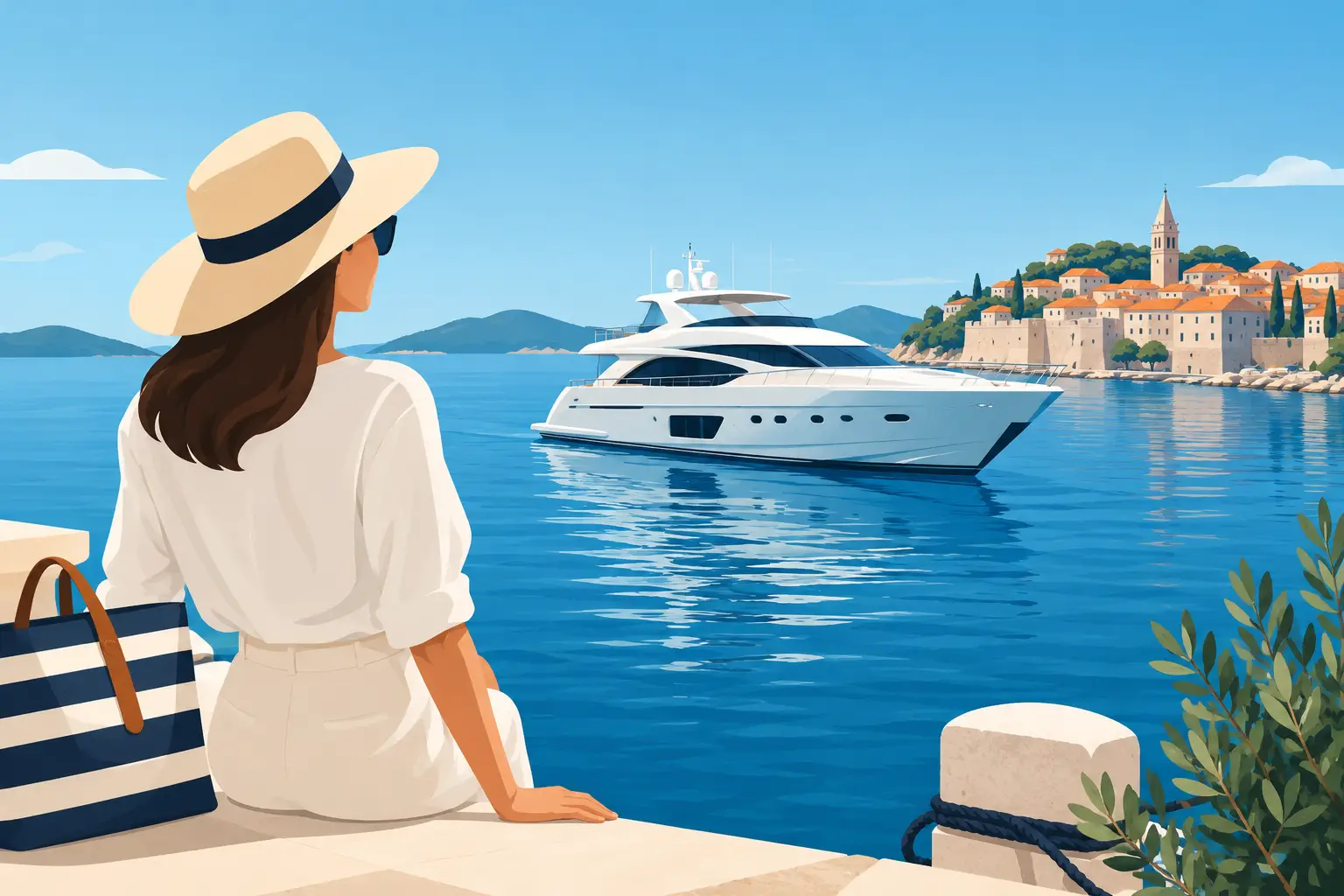
The difference between a pleasant week at sea and an exceptional Adriatic holiday is rarely the yacht alone. It is the moment you turn from a lively waterfront in Split towards a quiet anchorage off Hvar, arrive at a family-run konoba by tender, or wake beneath the walls of Korčula before the day visitors arrive. Knowing how to charter a Croatian yacht means making those moments possible while getting the practical decisions right from the outset.

Croatia offers an extraordinary range of sailing grounds, from the vineyard-covered islands of the Dalmatian coast to the raw beauty of Kornati National Park. Yet choice can feel overwhelming: bareboat or crewed, sailing yacht or motor yacht, Split or Dubrovnik, high summer or September. A well-planned charter gives travellers freedom, privacy and access to places that are difficult to experience from land, without leaving the details to chance.

How to charter a Croatian yacht: begin with the holiday you want

Start with the pace, not the boat. A family seeking calm swimming coves and short passages needs a different itinerary from a group celebrating with late dinners in Hvar Town, or a couple looking for quiet islands, fine dining and discreet five-star service. The yacht should support the holiday, rather than dictate it.

For first-time charter guests, a seven-night itinerary from Split is often the most flexible introduction. The central Dalmatian islands are close enough for relaxed daily cruising, yet varied enough to combine Brač, Hvar, Vis, Šolta and the Pakleni Islands. Split also has excellent international connections and a wide choice of marinas, crew and vessels.

Dubrovnik is ideal for a more southern route, particularly for guests who wish to pair a city stay with the Elaphiti Islands, Mljet National Park and Korčula. One-way charters between Split and Dubrovnik can be spectacular, but they require careful planning, a larger cruising commitment and usually a higher budget. They suit travellers with at least a week, preferably longer, who value the journey as much as the destinations.

The northern Adriatic, including Istria, Kvarner and the Kornati archipelago, has a distinctly different character. It is less about the headline beach clubs of central Dalmatia and more about national parks, clear bays, historic ports and excellent regional gastronomy. This can be a compelling choice for returning visitors and clients looking beyond the most familiar routes.

Choose the right type of yacht

The most suitable yacht depends on comfort expectations, group composition, budget and appetite for sailing. Croatia has a deep fleet, but the best vessels in popular periods are reserved early.

Sailing yachts and catamarans

A monohull sailing yacht brings guests closer to the elemental pleasure of the Adriatic: the sound of the wind, quiet passages under sail and a classic sense of arrival in small harbours. It is an excellent option for confident sailors or groups happy with a more intimate layout. Space below deck is usually more limited than on a catamaran of similar length.

Catamarans are often the preferred choice for families and friendship groups. Their broad decks, stable ride and generous cockpit create an easy social setting, while separate hulls give guests more privacy. They are especially comfortable at anchor. The trade-off is price, and in smaller marinas a catamaran may have fewer berth options or higher mooring costs.

Motor yachts, gulets and superyachts

A motor yacht is suited to guests who want to cover greater distances in comfort, with polished service and a more flexible daily rhythm. It can make a Split-to-Dubrovnik route more realistic within a week, although fuel costs need to be considered carefully. A motor yacht is not necessarily the most relaxed choice in peak season, when popular berths and restaurants still need advance arrangements.

Traditional wooden gulets offer a leisurely, sociable alternative, with generous deck space and a resident crew. They work particularly well for multigenerational families or groups that want a floating private villa with an unhurried itinerary.

For fully tailored luxury travel, a superyacht can provide the highest levels of accommodation, cuisine, water toys and crew-to-guest service. It also demands the most detailed pre-charter planning, from dietary requirements and tender operations to preferred wines, beach clubs and discreet private experiences ashore.

Decide between bareboat, skippered and crewed charter

A bareboat charter gives qualified sailors the most independence. At least one guest must hold an accepted skipper’s licence and a VHF radio certificate. The named skipper also takes responsibility for navigation, weather decisions, docking and the vessel throughout the charter. It is rewarding, but it is a genuine hands-on commitment rather than simply a holiday with a yacht as the setting.

A skippered charter offers a strong middle ground. The skipper handles the navigation and local conditions, while guests retain a casual, independent atmosphere. This choice is popular with travellers who would like to take part in sailing but prefer an expert on board when entering busy harbours, choosing anchorages or responding to a change in weather.

A fully crewed yacht adds a captain, hostess, chef or larger professional team according to the vessel. It is the natural choice for travellers who want their time devoted entirely to swimming, dining, exploring and relaxing. A good crew does much more than steer the yacht. They read the mood of the group, know when to suggest a hidden bay, can adjust plans around the weather and make the experience feel effortless.

Understand what your charter budget includes

The advertised weekly yacht rate is an essential starting point, but it is not the final holiday cost. The inclusions vary according to yacht type and charter arrangement, so a transparent proposal should set out every expected expense before confirmation.

For bareboat and skippered charters, guests should allow for fuel, marina or town quay fees, provisions, water toys, final cleaning, and skipper or hostess fees where applicable. A refundable security deposit may also apply. In high summer, berth prices can rise significantly in sought-after harbours, especially around Hvar, Vis and Dubrovnik.

Crewed motor yachts and larger luxury vessels often work with an Advance Provisioning Allowance, usually calculated as a percentage of the charter fee. This covers fuel, food and drink, port charges, communications and other operating costs. The captain manages the fund, keeps records and returns any unused balance at the end. It allows the itinerary to remain flexible, but it also means final expenditure depends on how the guests choose to travel.

Ask early about VAT, mandatory extras, delivery fees for one-way routes, cancellation terms and crew gratuities. There is no single correct budget because a quiet itinerary at anchor has very different running costs from a week of frequent cruising, premium marina berths and high-end dining ashore.

Select the right season and route

July and August bring the warmest sea, longest days and highest energy. They are ideal for guests who enjoy a lively atmosphere, but marinas, restaurants and headline islands need reservations well in advance. A skilled captain can find calmer alternatives, although absolute solitude is less realistic during peak weeks.

May, June, September and early October often offer the most balanced Croatian charter experience. The weather is generally beautiful, the water is inviting, and there is more room to be spontaneous. September is particularly appealing for food and wine-focused itineraries, with warm sea temperatures and a more relaxed rhythm on land.

The Bora, a dry north-easterly wind, and the southerly Jugo can affect conditions at different times of year. Neither should discourage travellers, but they are reminders that an itinerary must have flexibility. A professional crew and local charter manager will not force a route simply because it appeared on the first draft. They will make thoughtful adjustments that protect both comfort and the experience.

Plan the details before embarkation

The most memorable yacht charters feel personal because the planning has been precise. Before arrival, share more than cabin preferences. Let your charter team know about dietary needs, favourite wines, children’s ages, swimming confidence, anniversary plans, desired activity level and whether the group values privacy or social energy.

This is also the point to arrange the experiences that transform a sailing week into a wider Croatian journey. A private guide can reveal the stories behind Dubrovnik’s stone streets; a vineyard visit on Hvar or Korčula can add depth to an afternoon ashore; a chef-led dinner, truffle tasting or private transfer to a heritage hotel can extend the holiday before or after the charter.

For travel designers and agencies, a Croatia-based DMC provides particular reassurance where yacht charter meets a broader itinerary. Perfecta Travel can coordinate yacht selection with private transfers, luxury accommodation, guides and on-the-ground support, ensuring that the journey works as one considered programme rather than a collection of separate bookings.

Make room for the unexpected

The finest Croatian yacht charters leave a little space in the plan. A restaurant recommendation from the captain, a sudden wish to stay longer in a beautiful bay, or a weather-led change of island can become the memory guests talk about long after they return home.

Choose the yacht with care, reserve the essentials early and let local expertise shape the route. Then allow the Adriatic to do what it does best: turn a beautifully organised holiday into something that feels wonderfully unplanned.

Croatia Island Hopping Logistics Made Easy

A perfect Adriatic itinerary is rarely defined by how many islands it includes. It is defined by how well each crossing, arrival and departure has been considered. Croatia island hopping logistics can look simple on a map, yet the difference between a hurried sequence of ferry timetables and an effortless luxury holiday lies in the detail: the right gateway city, realistic sailing times, the location of each hotel and a back-up plan when the wind changes.

For travel designers and discerning guests alike, the aim is not to collect islands. It is to create an unhurried rhythm between historic coastal cities, quiet coves, vineyard lunches and exceptional hotels, with every transfer feeling like part of the experience.

Start with the right coast and gateway

Croatia’s islands are spread across a long, deeply indented coastline. Treating the country as one interchangeable island region is the quickest route to unnecessary travel time. The most successful programmes are built around one of three natural gateways: Split for central Dalmatia, Dubrovnik for the south, and Zadar or Šibenik for the northern and Kornati islands.

Split is the strongest starting point for first-time island hopping. It connects naturally with Brač, Hvar, Vis, Šolta and Korčula, while its international airport and elegant old town make it easy to begin or finish with a night on the mainland. A programme from Split might combine the white-stone villages of Brač, the polished energy of Hvar Town and the remarkable remoteness of Vis.

Dubrovnik works beautifully for travellers who want a more southern route. From here, the Elaphiti Islands offer tranquil early days on the water, while Mljet and Korčula can form a richly layered journey of national park landscapes, medieval lanes and outstanding food and wine. Dubrovnik’s airport also makes it practical to pair the islands with Montenegro, particularly for clients seeking a wider Balkan itinerary.

Further north, Zadar and Šibenik offer a different character. The scenery is wilder, the islands quieter and the Kornati archipelago especially compelling by private boat. This is a superb choice for repeat visitors, yacht-focused groups and travellers who value nature, swimming and uncrowded anchorages over late-night glamour.

Croatia island hopping logistics: choose the right transport

Public ferries are reliable and enjoyable for many routes, but they should be selected with care. They are ideal where schedules support the desired pace and where guests are happy to travel alongside local passengers and independent holidaymakers. In high summer, popular services can be busy, and a ferry terminal is not always close to a hotel. Luggage handling, boarding queues and onward transfers deserve attention, particularly for families, older travellers and guests staying in higher-end properties.

Fast catamarans are useful for foot passengers and direct island-to-island connections, yet they are not a universal answer. Many do not carry cars, schedules change by season, and routes may operate only once a day. A connection that appears efficient online can leave very little room for a delayed flight, a lengthy hotel check-in or a leisurely lunch.

Private road transfers and skippered speedboats offer greater freedom. They allow guests to leave an airport or hotel at the time that suits them, arrive at a discreet waterfront jetty where possible, and travel directly to islands that would otherwise require multiple public connections. For a honeymoon, celebration or multi-generational family holiday, this is often where the journey begins to feel genuinely tailored.

A private yacht charter is the most flexible option of all, particularly for groups. Rather than adapting a holiday around fixed sailings, the route can respond to weather, restaurant reservations and the mood of the day. Guests may breakfast in Hvar, swim near the Pakleni Islands, then moor near Vis for dinner. The trade-off is that yacht itineraries require careful berth planning in peak season, along with a realistic understanding of sea conditions and preferred onboard style.

Build for pace, not just distance

The Croatian coast rewards travellers who stay longer in fewer places. On paper, Hvar to Korčula or Vis to Split may seem close. In practice, each move includes packing, check-out, a transfer to port, boarding, disembarkation and arrival at the next property. Too many one-night stays can turn a beautiful itinerary into a procession of bags and timetables.

For most luxury journeys, three nights on a principal island is a comfortable minimum. It provides time for a full day at leisure, one curated private experience and the simple pleasure of returning to the same terrace after sunset. Four nights can be particularly rewarding on Hvar, Korčula or Vis, where inland villages, wineries, beaches and boat excursions each merit their own space.

There are exceptions. A short stay on Šolta can work as a restorative opening after a late arrival into Split, while Mljet can be a wonderful two-night pause between Dubrovnik and Korčula. The question is always whether the transfer adds a meaningful change of atmosphere. If it does not, a day cruise may be the more elegant choice.

Seasonality changes the itinerary

From June to September, ferry networks are at their fullest and the sea is usually at its most inviting. July and August deliver the classic Adriatic atmosphere, but they also bring hotter days, busier ports and strong demand for preferred hotels, yachts and restaurant tables. Advance planning is essential for premium programmes during these months.

May, early June, late September and October offer a more relaxed expression of the coast. The light is beautiful, the islands feel less crowded and private guides can create a more intimate connection with local producers and communities. However, shoulder-season sailing schedules are reduced, and some seasonal restaurants or beach venues may not yet be open. It is a better time to prioritise carefully chosen bases over ambitious island-to-island movement.

Weather is another practical consideration. The Adriatic is often calm, but the bura and jugo winds can affect smaller vessels and exposed routes. Professional planning includes flexible departure windows, suitable boat selection and mainland alternatives where needed. This is not about removing spontaneity. It is about protecting the experience when nature has other plans.

Hotels, harbours and luggage matter

An island hotel can be exquisite yet operationally awkward if it is far from the harbour, reached by narrow lanes or dependent on a specific transfer point. The best itinerary design matches the property to the arrival method. A waterfront hotel in Hvar Town may be ideal after a private speedboat crossing, while a secluded villa on Brač may call for a vehicle and a more considered arrival sequence.

Luggage also deserves more attention than it receives. Guests joining small boats may prefer soft-sided bags, while those moving between several islands benefit from travelling lighter and forwarding larger cases when the programme allows. For private groups, ensuring that vehicle capacity matches both passenger numbers and luggage volume avoids an uncomfortable surprise at the pier.

Small operational touches have an outsized effect: chilled water waiting after a crossing, a host to meet guests at the harbour, restaurant reservations timed around arrival, and a private guide who knows whether a town’s best entrance is by promenade, golf buggy or car. These are the details that allow guests to feel looked after rather than processed.

Create experiences that belong to each island

The islands are close together, but they should not feel interchangeable. Brač lends itself to stone heritage, olive oil and relaxed beach time. Hvar combines refined hotels, lively waterfront dining, lavender-scented interiors and the Pakleni Islands. Vis has a more authentic, quietly cinematic quality, with military history, remarkable local produce and clear-water coves. Korčula offers culture, wine country and a graceful old town, while Mljet brings forested calm and national park beauty.

A well-designed programme gives each stop a distinct purpose. This may mean a private wine tasting in the Lumbarda area of Korčula, a chef-led lunch in a family konoba on Vis, a sunset cruise from Hvar or a guided walk through Mljet’s lakeside landscapes. The logistics should support these moments, not crowd them out.

For travel professionals, working with an experienced local operator also brings access to the suppliers that rarely appear on a standard timetable: trusted skippers, private moorings where available, family-run estates, specialist guides and restaurants able to welcome a group at the right moment. With multilingual support and 24-hour assistance, Perfecta Travel can coordinate these moving parts while retaining the sense of ease clients expect.

The finest island journeys leave room for an unscripted swim, a table kept a little longer at lunch and the possibility that guests may wish to stay where they are for one more sunset. Plan the structure carefully, then allow the Adriatic to do the rest.

7 Best Croatian Islands for Luxury Holidays

The first tender gliding into Hvar harbour at breakfast tells you much about the best Croatian islands for luxury holidays. This is not simply a coast of beautiful water and photogenic stone towns. It is an archipelago of distinct personalities, where a private vineyard lunch, a secluded cove and a five-star suite can feel entirely different from one island to the next.

For travel designers and discerning guests, the right choice depends on the desired rhythm. Some islands reward late dinners, polished beach clubs and yacht life; others favour pine-scented silence, remarkable food and time away from the crowds. A carefully paced itinerary can combine both, with private transfers, reserved berths and trusted local hosts removing the uncertainty of island logistics.

The best Croatian islands for luxury, chosen by mood

Hvar for glamour, nightlife and polished Mediterranean living

Hvar remains Croatia’s most recognisable luxury island, and for good reason. Hvar Town has the handsome Venetian architecture, sophisticated restaurants and lively waterfront energy that many guests want from an Adriatic escape. Elegant hotels, historic palaces converted into refined stays and high-design villas make it a natural choice for couples, friendship groups and charter itineraries.

The most rewarding Hvar programme looks beyond the harbour. A private drive through the island’s lavender fields and inland villages reveals a quieter side, while the Pakleni Islands offer crystalline swimming bays a short boat ride away. A skipper who knows when to arrive can make the difference between a pleasant stop and a truly exclusive day on the water.

There is a trade-off. In July and August, Hvar Town is energetic and popular, rather than tranquil. Guests seeking its social scene should embrace it; those seeking greater privacy may prefer a villa outside town, Stari Grad’s calmer atmosphere or a multi-island itinerary that uses Hvar for two memorable nights rather than an entire week.

Korčula for wine, heritage and considered romance

Korčula has an exceptional balance of culture and coastal luxury. Its compact old town, often described as a miniature Dubrovnik, rises above the sea in a maze of honey-coloured lanes, terraces and historic details. Yet Korčula feels more intimate and less performative than Croatia’s busiest island destinations.

This is the island for guests who remember a long lunch as vividly as a perfect beach. The village of Lumbarda is known for Grk, a distinctive local white wine, while family-run cellars, oyster experiences and private cooking sessions provide an authentic gastronomic thread. Pair this with a beautifully restored boutique hotel or a waterfront villa, and the result is romantic without being predictable.

Korčula works especially well when combined with the Pelješac Peninsula. Private road and boat arrangements allow guests to move between the peninsula’s acclaimed wineries and the island’s old-town elegance without losing valuable holiday time. It is also a strong option for multi-generational families who want culture, gentle activity and quality dining in one place.

Vis for privacy, authenticity and an unhurried pace

Vis has long appealed to travellers who value discretion. Its history as a former military island delayed large-scale development, preserving a sense of distance from the more developed Dalmatian hotspots. The reward is an island that feels wonderfully real: fishing boats in Komiža, rugged roads, family konobas and coves that retain their wild beauty.

Luxury on Vis is quieter. Expect characterful stone houses, small high-quality hotels, private boat days and exceptional local ingredients rather than an extensive choice of glamorous venues. A tailored itinerary might include a chef-led meal in the countryside, a visit to the Blue Cave timed around conditions, and swimming in the Green Cave or at Stiniva, where access and crowd levels should always be assessed on the day.

Vis is best for guests prepared to slow down. Ferry schedules are more limited than on closer islands, and weather can affect sea plans. That is precisely why expert planning matters: building in flexibility, arranging trusted local drivers and selecting the right accommodation location make the island’s apparent remoteness feel like a privilege, not an inconvenience.

Brač for villas, active days and easy access

Brač is one of the smartest choices for guests who want space and variety without complicated transfers. Close to Split, it offers handsome private villas, waterfront hotels and broad appeal for families. Its most famous beach, Zlatni Rat near Bol, is striking, but Brač has much more to offer than one celebrated sweep of shingle.

The island is ideal for active luxury. Guests can sail, paddleboard, cycle through olive groves, visit the stone quarries that shaped landmarks around the world, or head into the hills for a private meal of local lamb and Brač olive oil. Bol brings a more polished resort feel, while inland villages and the island’s northern coast provide a slower, more local perspective.

Brač is practical rather than secretive, which is part of its strength. It suits families with mixed interests, groups who want a villa base near Split, and travellers beginning or ending a yacht charter. For peak summer dates, the best properties and private berths should be secured early.

Mljet for restorative nature and yacht-side calm

Mljet is Croatia at its most restorative. Much of the western side is protected as a national park, where saltwater lakes, dense Aleppo pine forest and quiet paths create a remarkable contrast with the bright, sociable ports of central Dalmatia. It is a natural choice for guests who measure luxury in silence, space and access to unspoilt scenery.

A private boat is the most elegant way to experience Mljet, particularly as part of a southern Dalmatian route between Dubrovnik and Korčula. Guests can cycle around Veliko Jezero, swim in sheltered bays or take a small boat to the Benedictine monastery on St Mary’s Islet. Lunch can be deliberately simple – freshly caught fish, local wine and a table by the water – because the setting provides the occasion.

Accommodation choices are more limited here than on Hvar or Brač. Mljet is therefore often best used for a day, a yacht overnight or a short stay in a carefully selected retreat. It rewards travellers who do not need every evening to offer a different scene.

Lošinj for wellbeing, elegance and northern Adriatic character

Further north in the Kvarner Gulf, Lošinj offers a different expression of Croatian luxury. The island has a long tradition as a health retreat, with aromatic air, pine forests and sheltered bays that encourage a slower, wellness-led holiday. Mali Lošinj’s harbour adds life and colour, while the surrounding coastline feels remarkably peaceful.

Lošinj is particularly suitable for travellers who value spa time, sailing, walking and refined hotels over nightlife. Dolphin-watching excursions, private coastal picnics and days on a traditional boat can all be arranged with a light touch. The island also combines beautifully with Cres, which brings dramatic landscapes, hill villages and a more rugged counterpoint.

Because Lošinj sits apart from the Split-Dubrovnik island corridor, it deserves its own itinerary rather than being added as an afterthought. It works well with Istria, Rijeka or Zagreb, and is a compelling alternative for repeat visitors looking beyond the familiar Dalmatian route.

Šolta for understated escape close to Split

Šolta is the answer for guests who want island tranquillity without travelling far from Split. Small bays, olive groves and villages such as Maslinica give it a gentle, understated character. It is less about landmark sightseeing and more about the pleasure of having time and privacy close at hand.

For a villa stay, a day charter or the opening nights of a Croatian yacht programme, Šolta is exceptionally useful. Private lunches can feature island olive oil, honey and seafood, while Maslinica provides a smart marina setting for an evening ashore. It is not the island to choose for extensive shopping or a packed cultural calendar, but that is exactly its appeal.

How to shape an island itinerary that feels effortless

The finest Croatian island holidays are rarely built around a single list of famous stops. They are shaped around how guests wish to feel at different moments: celebratory in Hvar, absorbed in Korčula, restored on Mljet, free to explore on Brač. Two or three islands are often enough for a week when transfers, luggage handling and reservations are managed properly.

Yacht charter offers the greatest freedom, particularly for families and groups, but it is not the only luxury solution. A combination of private road transfers, fast boats, selected ferries and exceptional hotels can provide more time ashore and a better fit for guests who prefer not to sleep at sea. The ideal arrangement depends on party size, mobility, budget, travel dates and whether privacy or nightlife sits higher on the brief.

Perfecta Travel creates hand-picked island programmes with the local knowledge needed to match each guest to the right shore, suite, skipper and experience. With thoughtful pacing and round-the-clock support, Croatia’s islands become more than a beautiful backdrop: they become a holiday with its own rhythm, made memorable by the moments no standard itinerary can predict.

Why Book a Croatia DMC for Luxury Holidays

Croatia can look wonderfully simple on a map: a ribbon of Adriatic coast, more than a thousand islands, and historic cities connected by short distances. Yet the reality behind an exceptional holiday is more intricate. To book a Croatia DMC is to place the details in the hands of people who know which harbour feels right at sunset, when a private transfer needs to leave to avoid summer traffic, and which family-run konoba merits a table reservation weeks ahead.

For luxury travel designers, tour operators and discerning private travellers, this local knowledge turns a promising itinerary into an experience with rhythm, personality and genuine confidence. It is not merely about booking hotels and transport. It is about making every arrival, encounter and change of scene feel considered.

Why book a Croatia DMC rather than assemble the trip remotely?

Croatia rewards curiosity, but it does not always reward assumptions. The country’s highlights are varied: Dubrovnik’s stone walls and cinematic coastline, Split’s living Roman palace, Hvar’s polished harbour, Istria’s vineyards and truffle country, Plitvice’s waterfalls, and the quieter islands of the Kvarner Gulf. Each has its own seasonality, access points, supplier patterns and pace.

A specialist DMC brings these moving parts together. That matters when a couple wants a yacht day from Split with a discreet lunch on a lesser-known island, when a family needs the right combination of spacious rooms and engaging guides, or when a small incentive group requires polished logistics across several cities. A local team can match the idea to what is genuinely possible on the ground, rather than relying on a generic route or an attractive but impractical schedule.

There is also a considerable difference between availability and suitability. A hotel may have rooms, but are they the rooms with the terraces, views or interconnecting arrangements that the guests expect? A boat may be free, but is it the right vessel for a relaxed multi-generational day at sea? A Croatia DMC assesses those distinctions before they become disappointments.

For trade partners, the value is equally practical. One experienced operational partner can coordinate contracting, confirmations, reconfirmations, special requests, supplier communication and in-resort support. That creates accountability throughout the journey, especially valuable when clients are travelling at peak periods or combining Croatia with Slovenia, Montenegro, Bosnia and Herzegovina, Serbia, North Macedonia or Albania.

The difference is felt in the itinerary, not just the paperwork

A well-designed Croatian holiday has contrast. Begin with the early morning calm of Dubrovnik before the city fills, continue to a private tasting in the Pelješac Peninsula, then spend a few unhurried nights on an island where the days follow the sea rather than a fixed timetable. The best programmes make room for the moments travellers do not yet know to request.

That might be a local guide who makes Diocletian’s Palace intelligible and entertaining for teenagers, a winemaker sharing a long lunch among the vines, or a skipper selecting a sheltered cove according to the wind. These are not interchangeable add-ons. They depend on trusted relationships and experienced judgement.

A DMC also helps preserve the right balance between discovery and downtime. Clients may say they want to see everything, particularly on a first visit. However, moving through too many islands or changing hotel every night can leave even the most beautiful route feeling rushed. An expert will advise where to stay longer, which transfers merit a private vehicle, and when a scheduled ferry is perfectly appropriate.

Luxury is often interpreted as adding more. In Croatia, it can just as easily mean removing friction: luggage handled carefully, a driver waiting after a delayed flight, a restaurant chosen for its cooking rather than its view alone, and enough free time to enjoy a hotel terrace overlooking the Adriatic.

Private journeys, groups and events need different thinking

The same destination requires different planning disciplines depending on the brief. A honeymoon can centre on privacy, exceptional dining and a handful of memorable gestures. A group of friends may favour active days, sociable dining and a villa or yacht. For a corporate programme, timing, guest flow, branded moments, contingency planning and clear on-site leadership become central.

This is where a full-service DMC earns its place. The work happens well before arrival: checking flight schedules, mapping transfer times accurately, aligning guides and vehicles, arranging dietary requirements, reviewing cancellation conditions and preparing alternatives if weather affects boating or outdoor plans. Guests should experience the magic, not the operational effort behind it.

What a Croatia DMC should manage

A credible local partner should be able to look beyond individual reservations and take responsibility for the entire programme. This includes accommodation sourcing, private transport, guides, experiences, restaurant reservations, yacht and boat arrangements, and carefully timed intercity or cross-border logistics.

Support is just as significant as planning. Adriatic weather can change, ferries may alter schedules, and an unexpected flight delay can affect an otherwise carefully timed arrival. Round-the-clock emergency assistance is not a luxury extra when guests are travelling through several locations. It is an essential layer of reassurance for both the traveller and the agency that entrusted their clients to the destination.

Ask how the DMC vets suppliers, who is available outside office hours, and how it handles changes while guests are travelling. Also ask whether the team can work comfortably with your preferred style of communication, documentation and billing. For travel professionals, responsiveness and clear financial processes are every bit as important as creative ideas.

Perfecta Travel combines destination specialists, multilingual consultants and a network of trusted regional suppliers to create hand-picked programmes across Croatia and the Balkans. With local operational oversight, the objective is not simply a beautiful plan on paper, but service that remains attentive from the first arrival to the final departure.

When to book a Croatia DMC

For July and August, early planning is strongly advised. The most desirable coastal hotels, villas, private yachts and experienced guides are limited, particularly in Dubrovnik, Split, Hvar and the most sought-after parts of Istria. Booking early provides more than availability: it gives the itinerary space to be shaped around the client rather than around the remaining inventory.

Shoulder season can be outstanding for travellers who prefer a gentler atmosphere. May, June, September and early October often offer warm days, excellent food, rewarding sightseeing and easier access to sought-after tables and experiences. It depends, however, on the intended route. Some island properties and restaurants operate with reduced hours at the edges of the season, while sailing conditions and sea temperatures vary.

For events and incentive travel, lead time is even more important. Venue capacity, gala locations, group restaurants, permits, coaches and luggage logistics all need to work as one. A local DMC can advise whether a headline destination suits the group size and objectives, or whether an alternative region will deliver greater character and better value.

Questions worth asking before you appoint a partner

Start with their destination depth. Can they explain the practical differences between a stay in Hvar Town, Vis, Korčula and Brač? Do they have meaningful options beyond the obvious coastal circuit? The strongest answers usually contain honest guidance, including where a client’s initial idea may need adjustment.

Then consider scale and service. A partner should be equipped to manage both intricate private trips and larger programmes without making either feel formulaic. Seek evidence of established local relationships, appropriate insurance and safety processes, experienced operational staff and a clear route for escalation when plans change.

Finally, look for curiosity. Croatia is not one fixed product, and neither are its visitors. The right DMC listens for the details behind a request: the traveller who loves architecture but dislikes crowds, the family seeking gentle adventure, the food-focused couple who would happily travel inland for an exceptional meal. Those insights are what make an itinerary feel personal rather than merely premium.

The most memorable Croatian holidays leave guests with more than photographs of blue water and ancient stone. They remember feeling welcomed, understood and free to enjoy each moment. Choose a local partner with the knowledge to protect that feeling, and Croatia has a remarkable way of becoming a place travellers want to return to.

PROUD MEMBER OF

Perfecta Travel membership icon
1965.001.965,00